Wondering whether “estate-lot living” in Westlake really means acreage, more privacy, or simply a different kind of luxury neighborhood? If you are comparing Westlake with nearby options like Southlake and Colleyville, the answer is more nuanced than many buyers expect. Understanding how these communities define large-lot living can help you choose a property that fits your lifestyle, your plans for outdoor space, and your long-term goals. Let’s dive in.
What estate-lot living means in Westlake
Westlake describes itself as a master-planned community with stringent requirements in its code and planned development documents. Its zoning framework includes districts such as R-1 Estate Residential, R-2 Rural Residential, R-5 Country Residential, and RA Residential Airpark. The town also emphasizes a rural Texas atmosphere, even with close access to the broader metroplex.
That combination shapes the feel of estate-lot living here. In practical terms, Westlake tends to offer a lower-density residential environment where privacy, open land, and carefully planned development all matter. If you want a setting that feels more open and more secluded, Westlake often stands out for that reason.
Westlake covers about 7 square miles and has a resident population of a little more than 2,000, with planning that anticipates growth to around 7,000 residents. That helps explain why the town can still feel spacious and lightly developed. For buyers, that sense of openness is often a major part of the appeal.
Westlake lot sizes vary more than you think
One of the biggest misconceptions about estate-lot living in Westlake is that every homesite is one acre or more. In reality, the town includes several different lot patterns, from true acreage to more compact luxury homesites. That matters because your experience of privacy and outdoor usability can vary quite a bit from one neighborhood to the next.
Some Westlake subdivisions feature very large lots. Mahotea Boone includes two-acre minimum lots, Quail Hollow includes 96 estate homes on lots over 1 acre, and Shelby Estates offers 5- to 10-acre lots. Villaggio is described as 17 lots with a minimum of one acre each.
Other areas offer a smaller estate-style format. Glenwyck Farms includes sites ranging from about 0.80 acres to over 1 acre, while the newer Westlake Ranch and Aspen Ranch area includes a 35-lot, 38-acre development with lots ranging from 0.5 to 0.75 acres. So when you hear “Westlake estate lot,” you should think of a spectrum rather than one fixed standard.
Privacy comes in different forms
In Westlake, privacy is not defined by lot size alone. Some properties create privacy through true acreage, while others do it through wooded homesites, low-density planning, setbacks, or the placement of homes and open space. That is why two homes with similar lot sizes can feel very different in person.
The town’s development activity also reinforces this identity. Communities such as Quail Hollow, Knolls at Solana, Terra Bella, and Vaquero pair low density or larger lots with features like trails, ponds, conservation areas, open space, and gated entries. For many buyers, that blend of land and thoughtful planning is what makes estate-lot living feel special.
How Westlake compares with Southlake
Southlake also offers substantial large-lot housing, but the feel is a bit different. The city’s planning materials place visible emphasis on high development and urban design standards, especially along the SH 114 corridor, while also buffering residential uses from roadway and commercial areas. In other words, Southlake balances estate-style housing with a more structured corridor and neighborhood framework.
Southlake’s development report shows several subdivisions with average lot sizes in roughly the 47,000 to 52,000 square foot range. Older planning materials also identify low-density residential categories such as SF-1A with a 1-acre minimum, SF-2 with a 2-acre minimum, and RE zoning. That tells you Southlake absolutely includes estate-style living, but often within a more visibly developed and managed community pattern.
If Westlake often feels more secluded and purely estate-oriented, Southlake may feel more connected and more integrated with broader community planning. That difference can matter if you are deciding between a more tucked-away setting and one with a stronger neighborhood network.
How Westlake compares with Colleyville
Colleyville also has a strong large-lot identity. Its comprehensive plan says the city aims to preserve high-quality, large-lot, natural setting neighborhoods while supporting connections and amenities. It also states that new development should contribute to the city’s rural feel.
Colleyville’s Land Development Code describes its RE district as low-density, estate-oriented land, and the city also has an R-20 minimum lot size of 20,000 square feet in certain areas. In addition, some lot-size thresholds above 40,000 square feet can allow more flexibility for fencing and driveway-related uses. These details show that lot size and site design are both important parts of the ownership experience.
Colleyville’s planning approach also puts visible emphasis on trails, sidewalks, tree preservation, mobility, and neighborhood connections. So while Colleyville certainly offers estate-style living, it often combines that with stronger day-to-day connectivity features than buyers may expect.
Why the comparison matters
If you are choosing between Westlake, Southlake, and Colleyville, you are not just comparing square footage or price points. You are comparing different expressions of large-lot living. Based on each city’s planning language and residential patterns, Westlake tends to read as the most secluded and estate-oriented of the three, while Southlake and Colleyville pair large lots with more explicit attention to connectivity, corridor management, and neighborhood amenities.
That does not make one city better than another. It simply means your best fit depends on what you value most, whether that is acreage, privacy, a natural setting, internal trails, or a more defined neighborhood framework.
What to evaluate on an estate lot
The most important question is not just how big the lot is on paper. It is how much of that lot is actually usable once setbacks, grading, drainage, trees, and easements are considered. On a large homesite, usable space can matter far more than the raw acreage number.
Westlake’s engineering standards include separate requirements for drainage, grading, erosion control, and residential lot grading. Southlake also requires stormwater review for construction sites and post-construction stormwater management for new development and redevelopment. These standards are a good reminder that lot size and buildable envelope are not the same thing.
Check the buildable envelope
Before you get attached to a property, look closely at where the home can sit and how future improvements might fit. A large lot may still have constraints that affect pool placement, detached structures, guest parking, or backyard use. That is especially important if you are planning a major outdoor living area.
Consider sun and yard orientation
On an estate lot, orientation can shape your daily experience more than you might expect. The way the lot sits can affect morning light, afternoon heat, backyard comfort, and how private your outdoor spaces feel. Since homes often sit farther back from the street and farther from neighboring houses, these details become more noticeable.
Think through driveway function
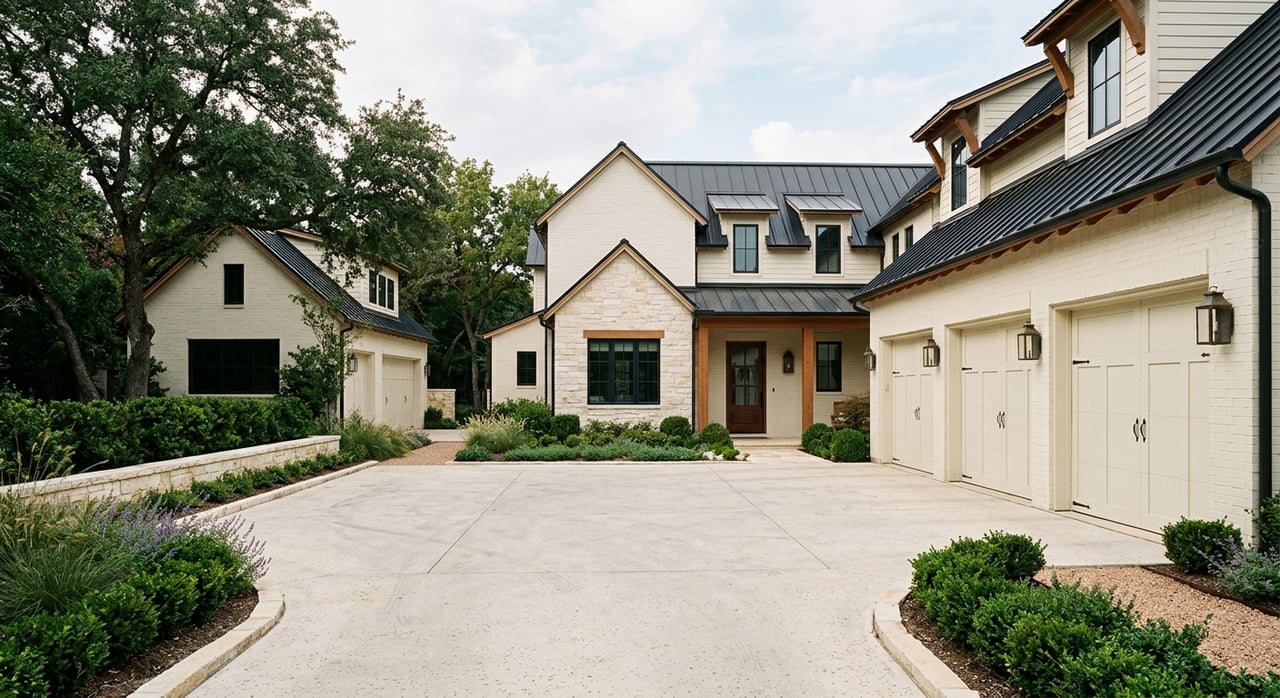
Driveway design matters more on a large homesite than on a standard subdivision lot. In Westlake and nearby cities, larger setbacks and lot depths can create longer drives, wider apron areas, or more complicated circulation. You should consider how the property handles guest parking, deliveries, turning space, and day-to-day convenience.
Review outdoor improvement options
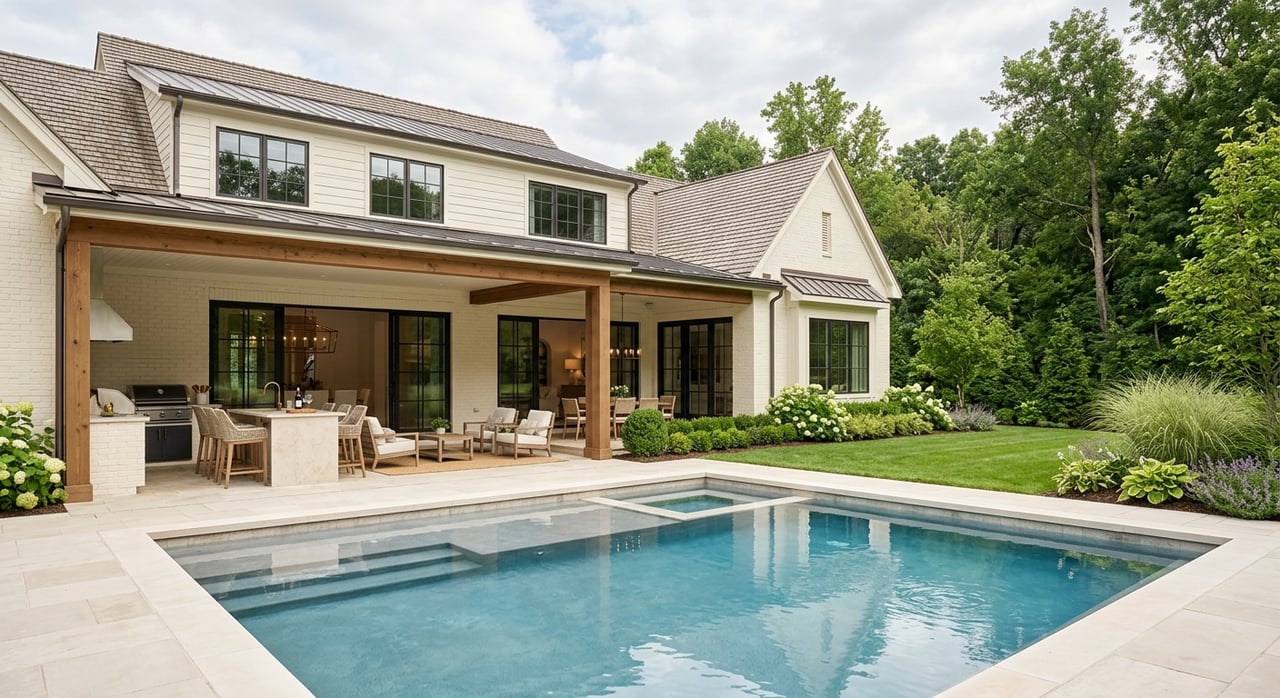
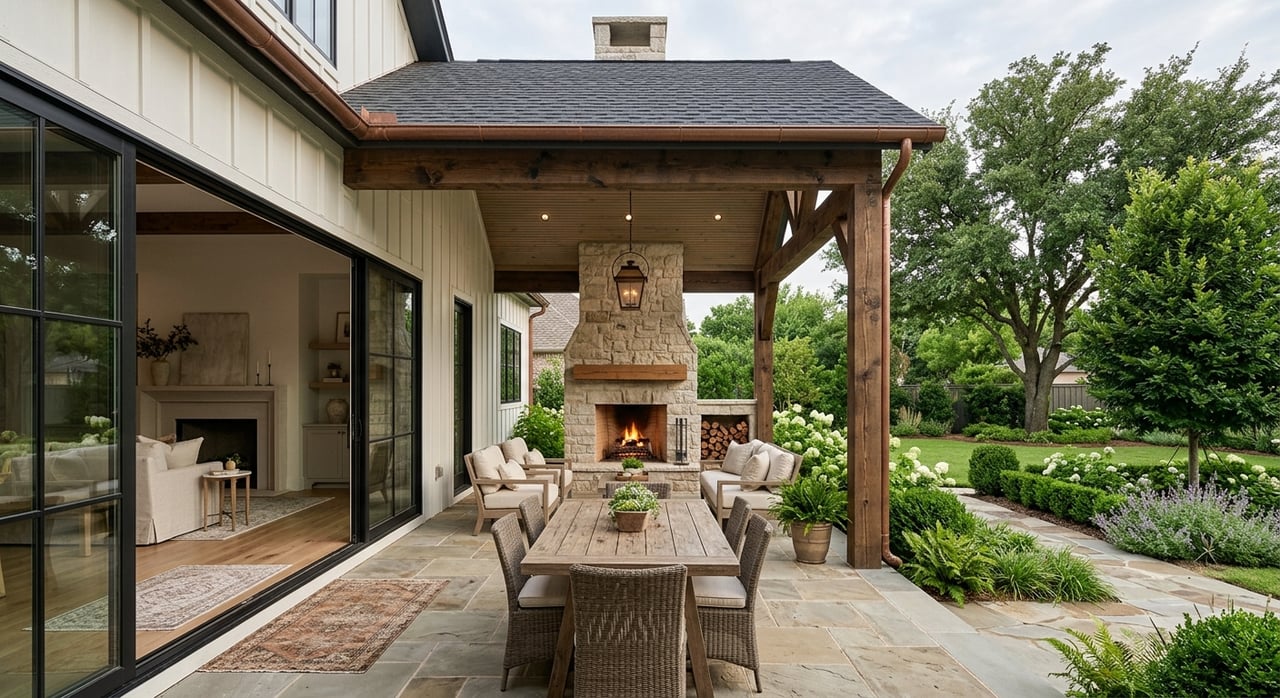
Pools, cabanas, detached garages, guest houses, and similar features are often part of the estate-lot appeal. But local zoning, planned development standards, stormwater rules, setbacks, and lot-coverage controls can all shape what is possible. The key is to evaluate these features against the actual building envelope, not just the total lot size.
Look at long-term livability
The best estate lots usually balance privacy with function. Tree canopy, drainage patterns, circulation, open space, and room for future updates all affect how well a property will serve you over time. A lot that looks impressive at first glance may not be the best fit if it limits outdoor use or future flexibility.
Large-lot living still comes with rules
Some buyers assume that a bigger lot means fewer restrictions. In practice, that is not necessarily true. Westlake is master-planned and governed by stringent zoning and development documents, Southlake applies stormwater and redevelopment review, and Colleyville regulates density, setbacks, height, parking, lot coverage, and tree preservation.
That is not a drawback. In many cases, these standards help protect the overall character of the community and the long-term experience of ownership. It simply means you should evaluate estate properties with both lifestyle goals and site regulations in mind.
How to choose the right estate property
If you are serious about estate-lot living in Westlake or nearby enclaves, start by defining what you want most from the land itself. Some buyers want true acreage and separation from neighbors. Others want a luxury home with enough outdoor space for entertaining, but without maintaining several acres.
From there, compare each property through a practical lens:
- How much of the lot is actually usable?
- Where can outdoor living features fit?
- How does the driveway function day to day?
- What kind of privacy does the lot really provide?
- How do the town’s development standards shape future options?
That process can help you move past labels and focus on fit. In a market like Westlake, where estate-lot living takes several forms, that kind of clarity can save you time and lead to a better long-term decision.
When you want guidance that goes beyond square footage and marketing language, working with a local expert can make the search much more efficient. If you are exploring Westlake, Southlake, or Colleyville and want a tailored strategy for buying or selling a luxury home, Calling DFW Home LLC can help you evaluate each opportunity with the detail and discretion it deserves.
FAQs
Is every estate lot in Westlake at least one acre?
- No. Westlake includes one-acre-plus and true acreage properties, but it also has newer estate-style neighborhoods with lots in the 0.5- to 0.75-acre range.
How does Westlake estate-lot living compare with Southlake?
- Westlake generally feels more secluded and estate-oriented, while Southlake combines large-lot living with stronger corridor planning, buffering, and neighborhood structure.
How does Westlake estate-lot living compare with Colleyville?
- Colleyville also offers large-lot living, but its planning materials place more visible emphasis on connections, trails, sidewalks, tree preservation, and neighborhood amenities.
What should you evaluate before buying an estate lot in Westlake?
- Focus on the usable footprint, including setbacks, drainage, grading, tree placement, driveway layout, yard orientation, and space for outdoor improvements.
Does a larger lot mean fewer development rules in Westlake?
- No. Westlake uses a master-planned framework with stringent zoning and development documents, so large lots can still be subject to meaningful site and design controls.